Governance
OceanGliders is governed by the OceanGliders Steering Team (OGST), which provides scientific leadership and strategic oversight for the network.
OceanGliders Steering Team (OGST)
The OGST defines and reviews the vision, objectives, and scientific priorities of OceanGliders, oversees network performance, and represents OceanGliders within the GOOS Observations Coordination Group (OCG).
An Executive Group, comprising OGST Co-Chairs, OGDMT Co-Chairs, the OceanGliders Technical Coordinator, and up to five additional OGST members, coordinates activities between plenary meetings.
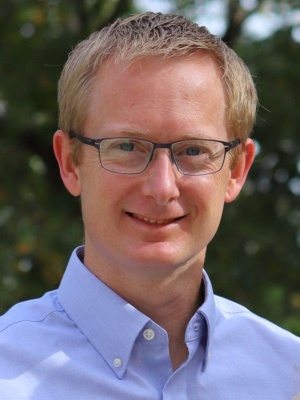
Robert is a physical oceanographer at the Woods Hole Oceanographic Institution (WHOI). His research focuses on boundary current systems and upper ocean processes, with sustained glider sampling of the Gulf Stream along the US East Coast since 2015. He uses Doppler current profilers on gliders to measure depth-resolved ocean currents alongside physical and biogeochemical properties. He has been involved with OceanGliders since 2016, joining the Steering Team in 2022 and serving as Co-Chair since 2025.
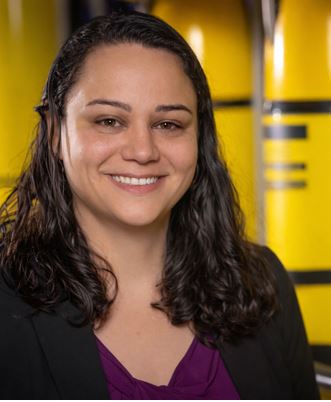
Filipa is a biological oceanographer and marine biogeochemist at the National Oceanography Centre (UK). Her research focuses on biophysical interactions and the biological carbon pump, using underwater gliders and other autonomous platforms. She studies how water column dynamics influence phytoplankton and carbon export, particularly in polar regions. She joined the Steering Team in 2022 and has served as Co-Chair since 2025.
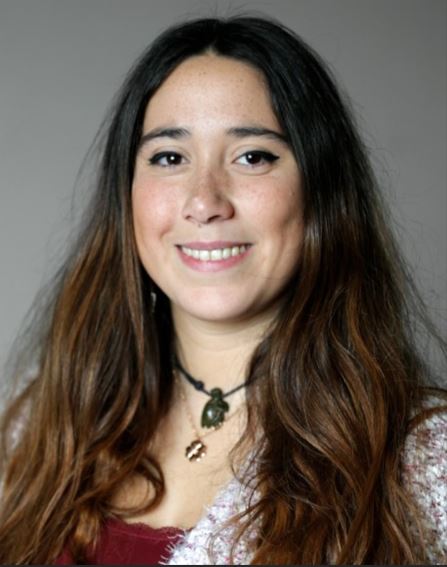
Mariarita is the Technical Coordinator of OceanGliders, based at ENSTA/OceanOPS-WMO in France. With a background in marine ecology and data science, she supports global network coordination through real-time tracking, data management, reporting, and the development of IT tools for glider operations. She has strong expertise in science communication and outreach. She is also Coordinator of the European Glider Community (EGC), facilitating collaboration between scientists, engineers, operators, and policymakers through workshops and webinars.
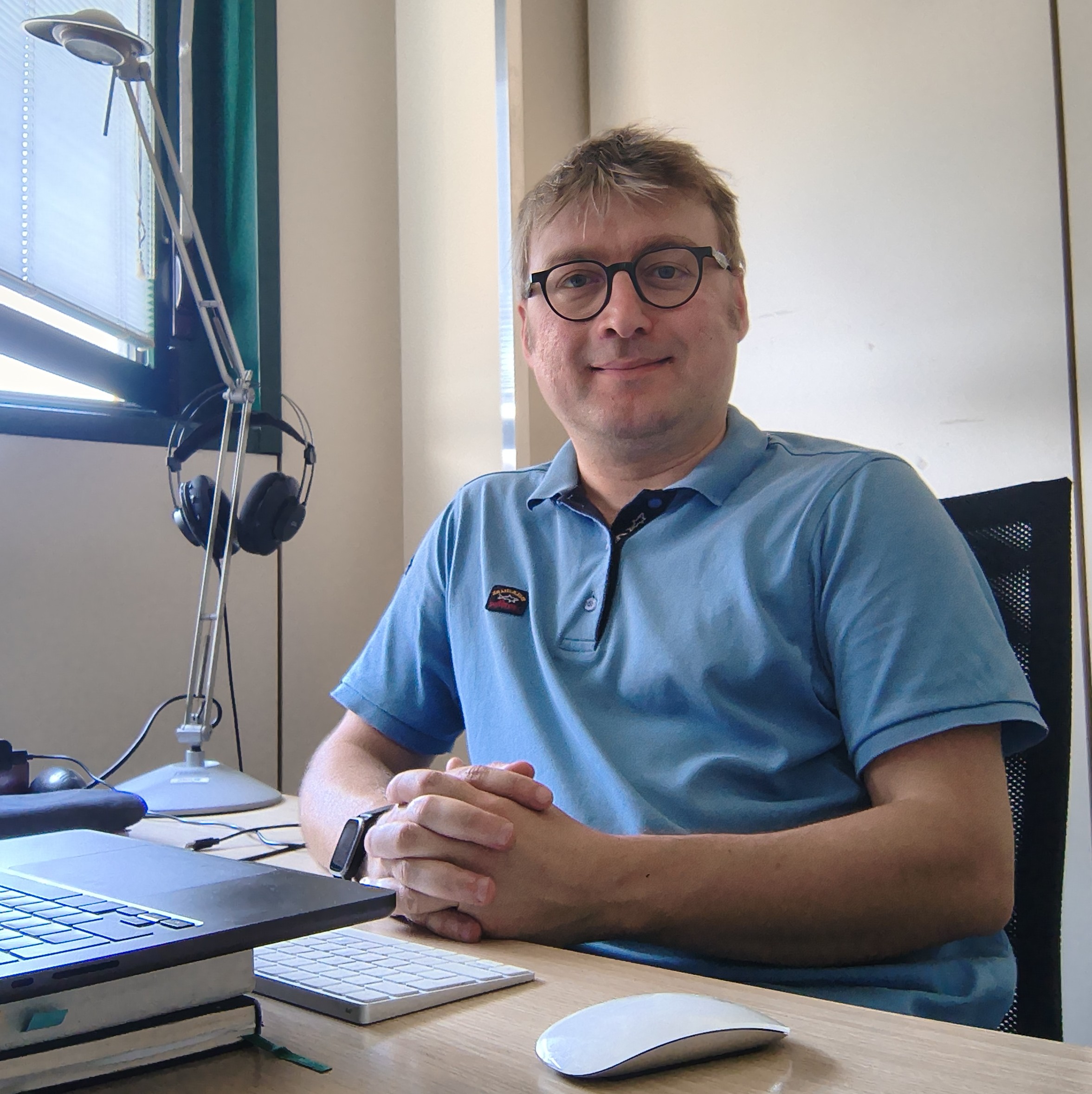
OceanGliders Steering Team member
Euro-Mediterranean Centre on Climate Change (CMCC), Italy
Ali is a physical oceanographer at the Euro-Mediterranean Centre on Climate Change (CMCC), Italy. His research focuses on data assimilation for regional, coastal, and polar seas. He leads the regional ocean data assimilation research unit at CMCC and heads the physics component for the CMEMS Black Sea Marine Forecasting Centre.
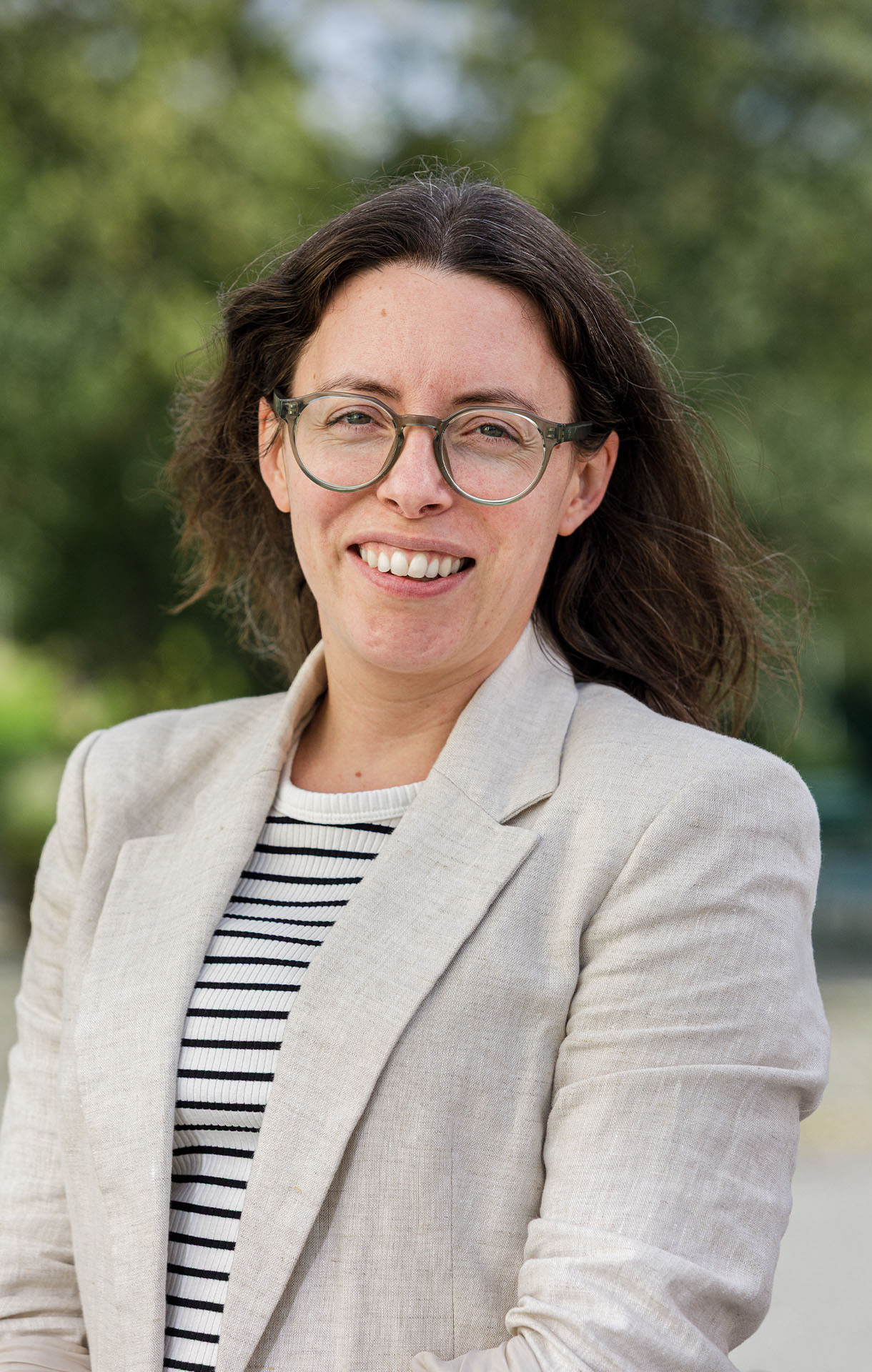
Louise is Science Director at the Voice of the Ocean Foundation (VOTO), Sweden. Her research background is in physical oceanography and glider-based observations of upper-ocean processes, particularly in polar regions. She leads scientific strategy and supports ocean observation, data management, and research infrastructure services, advancing open data and collaboration across scientific and operational communities.
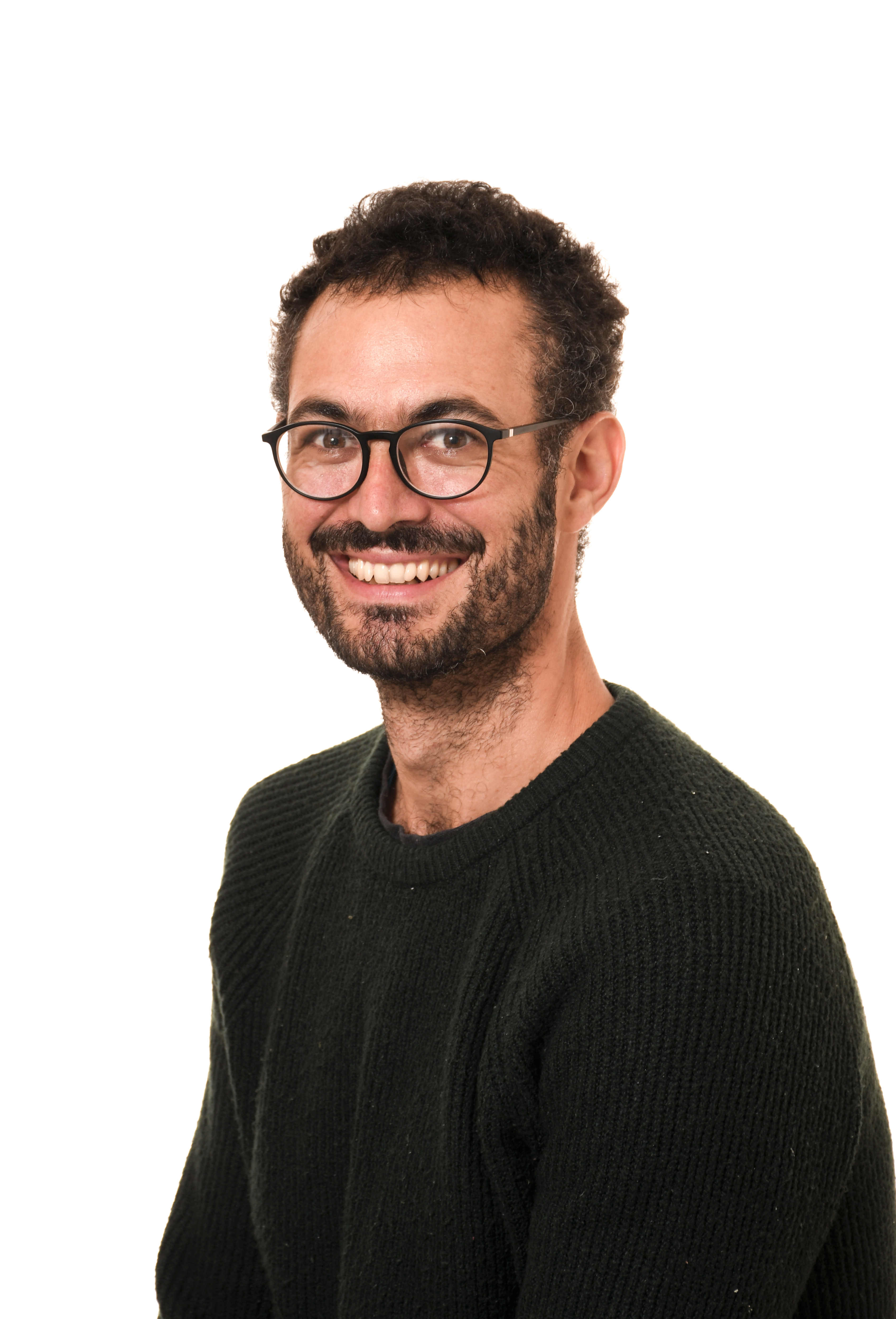
Pierre is co-scientific director of the Marine Acoustics Research Station (MARS) at UQAR-ISMER, Canada. His research focuses on Passive Acoustic Monitoring (PAM) using underwater gliders, with involvement in PAM glider applications since 2012. He studies anthropogenic and climatic pressures on the marine environment through ocean sound monitoring and its integration into underwater noise management frameworks.
Ilker is a Professor of physical oceanography at the Geophysical Institute, University of Bergen, Norway. His research covers ocean processes from meso- to small scales, with a focus on ocean mixing and turbulence. He leads the Norwegian National Facility for Ocean Gliders (NorGliders) and the Norwegian node for the European Multidisciplinary Seafloor and water column Observatory (NorEMSO).
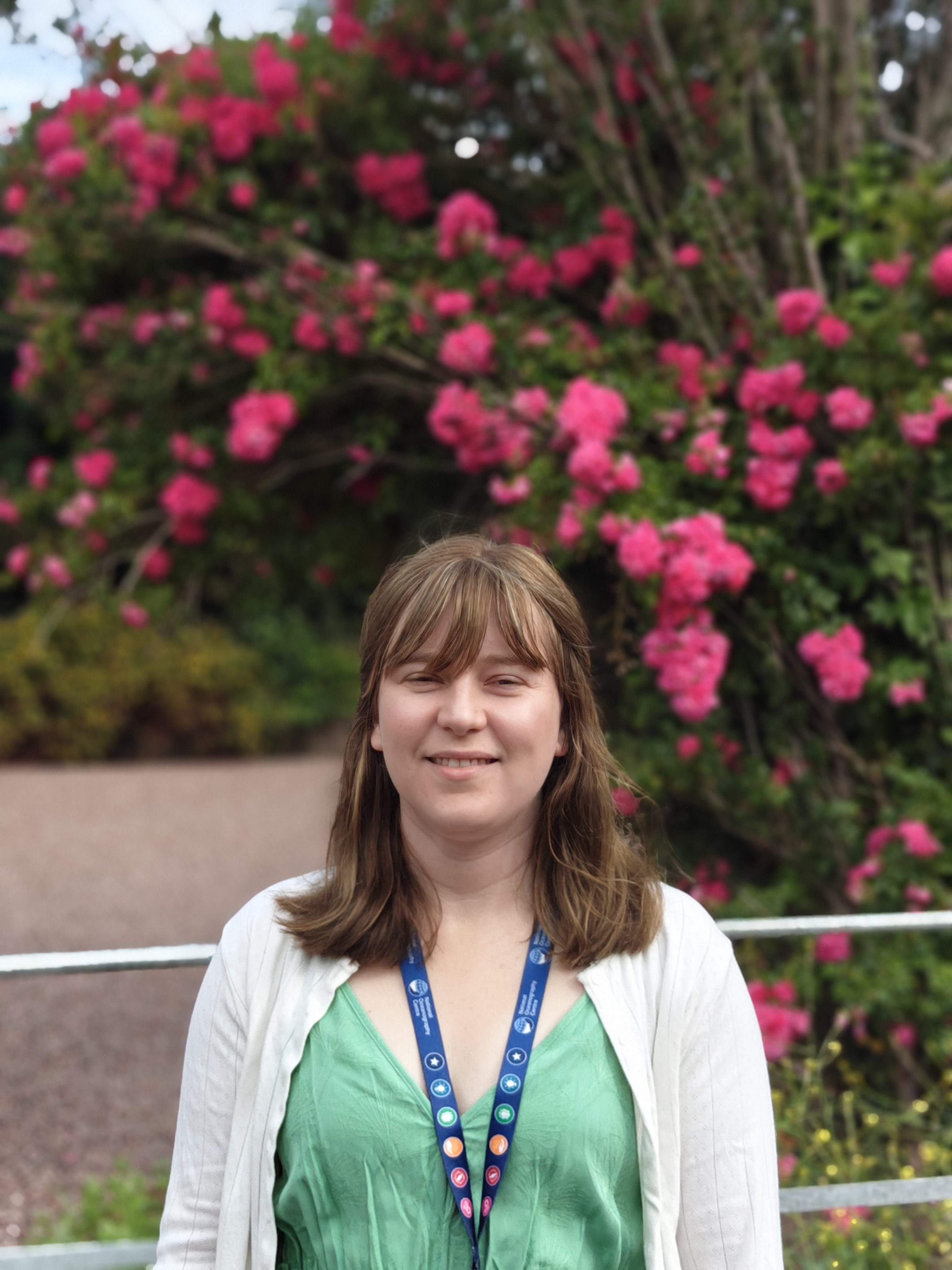
Emma is head of Autonomous Platform data management at the National Oceanography Centre (NOC), UK. Her work focuses on glider data management, standardisation, and best practices, in support of a global standard for glider data. She first joined the European glider data task team in 2018 before it evolved into the current OceanGliders data team. She has led the OceanGliders data team since 2024.
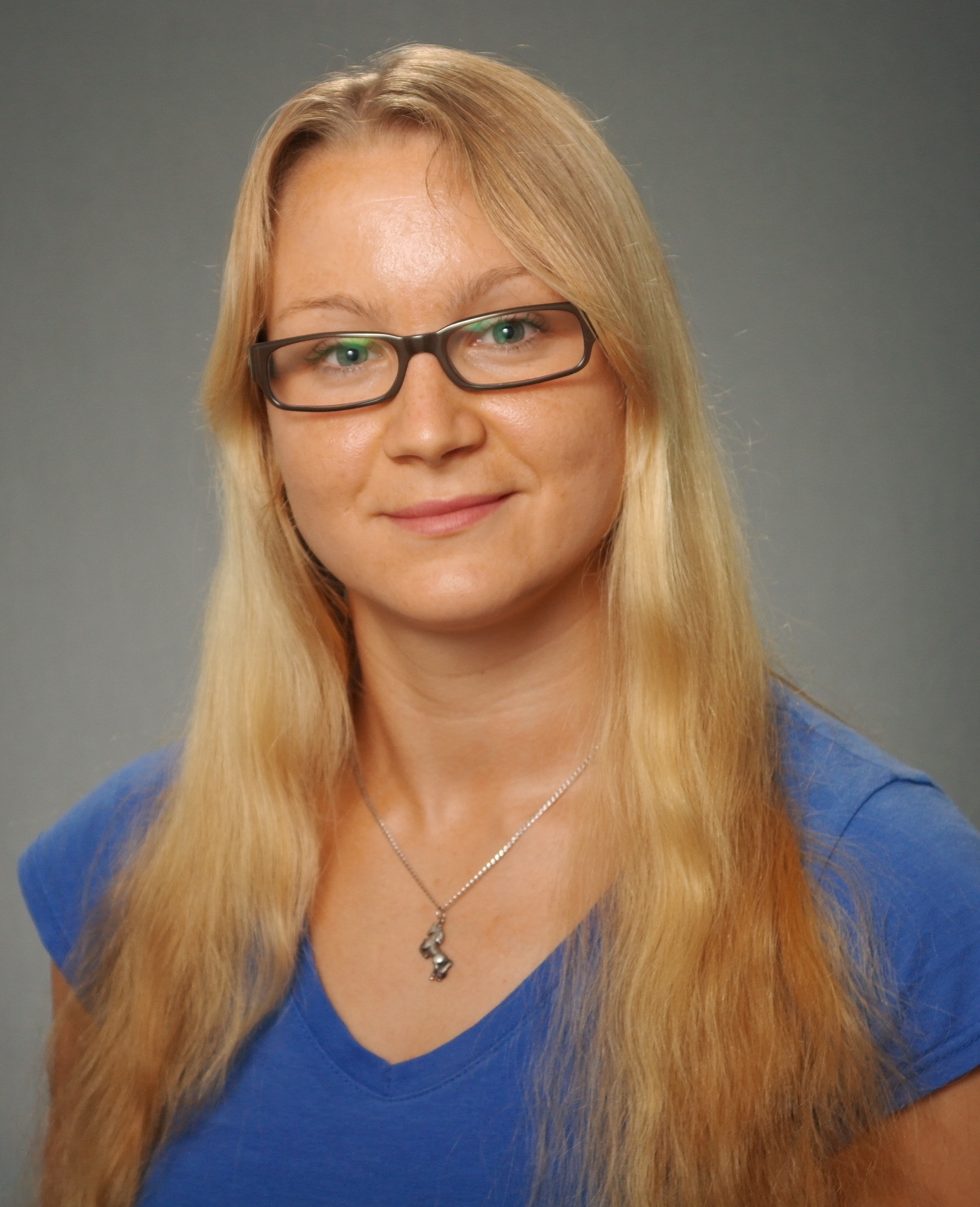
OceanGliders Polar mission Lead
GEOMAR Helmholtz Centre for Ocean Research Kiel, Germany
Naomi is based at GEOMAR Helmholtz Centre for Ocean Research Kiel, Germany. Her work spans from small-scale mixing and microstructure processes to large-scale circulation and ocean–atmosphere–ice interactions, with glider experience in polar regions and the Mediterranean Sea. She leads glider data processing within the Physical Oceanography department at GEOMAR. She is an Early-Career Executive member of the OceanGliders Steering Team and leads the Polar Mission.
Joe is the director of Oceanly Science.
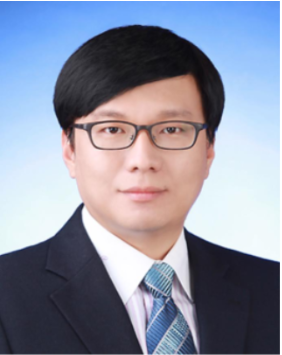
Jong-Jin is at Kyungpook National University, Republic of Korea. His research focuses on mesoscale-submesoscale ocean dynamics, near-inertial internal waves, and AI-based ocean state estimation. His team has accumulated over 3,000 glider-days and ~77,000 km of autonomous observations. He chairs the Korean Argo Program and directs the Korea Autonomous Ocean Observing System (KAOS).
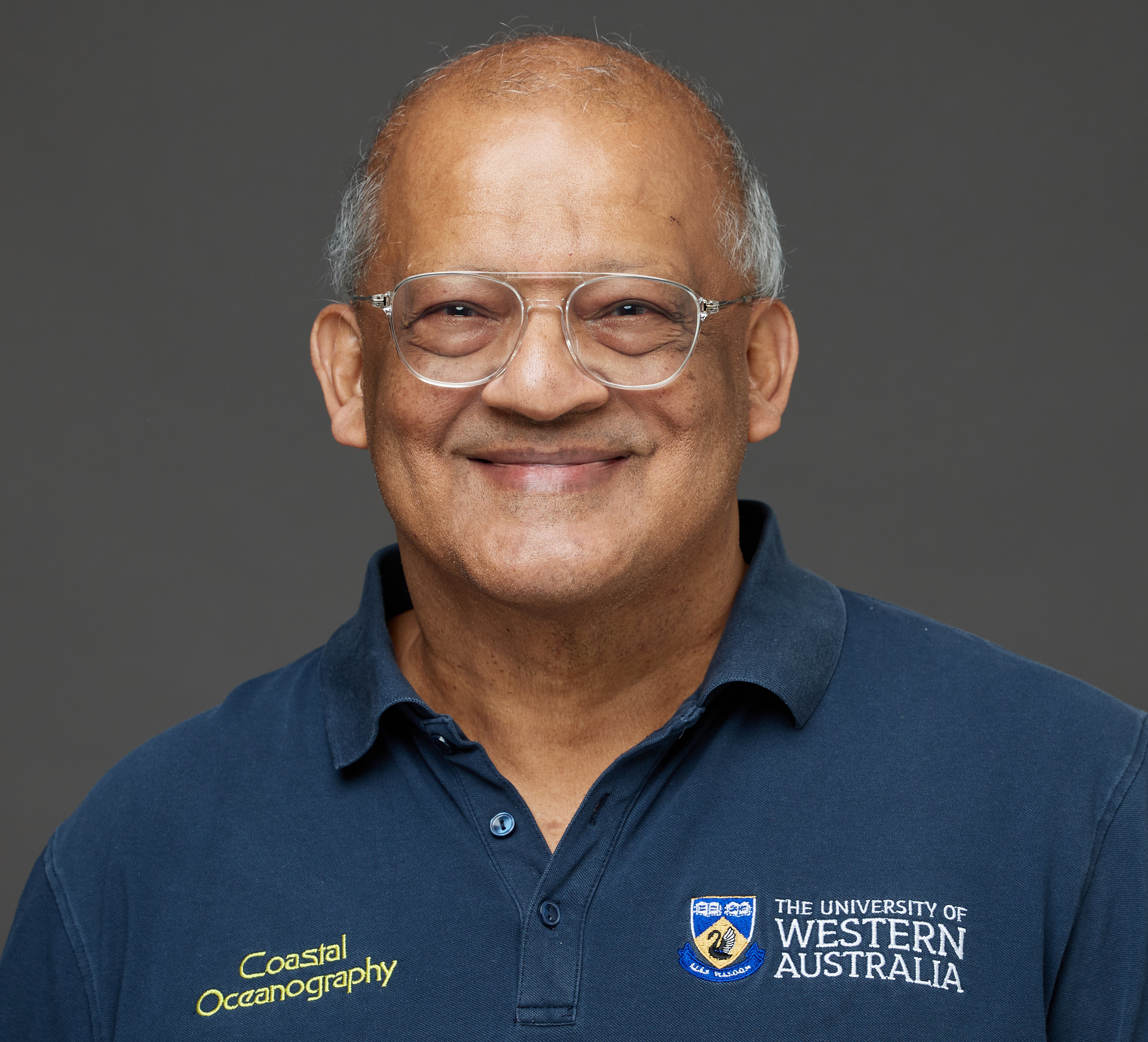
Charitha Pattiaratchi is a Professor in Coastal Oceanography at the University of Western Australia (UWA) where he is the leader of the Coastal Oceanography Group and The Integrated Marine Observing System (IMOS) ocean glider facility. His research encompasses coastal ocean physical processes and their influence on climatic, biological, and geological processes in estuaries, the nearshore (beach) zone, and the continental shelf region. He uses field measurements, remote sensing, and computer modelling for his research. Since 2008, his glider group has completed more than 440 successful glider missions around Australia
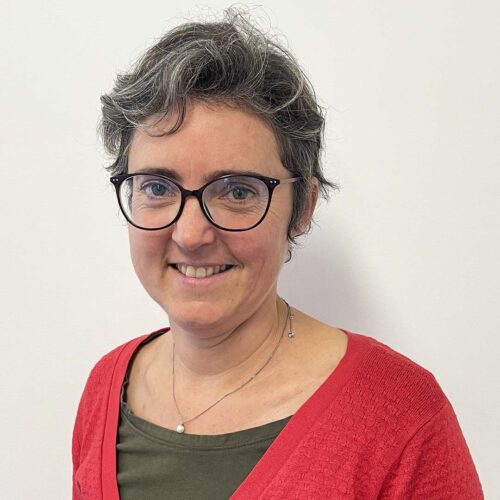
Elisabeth is head of the Physical Ocean unit within the R&D department at Mercator Ocean International, France. Her expertise is in global ocean data assimilation, including coordination of European projects and collaborations with space agencies on the impact of ocean observations. She is a member of the OceanPredict Science team.
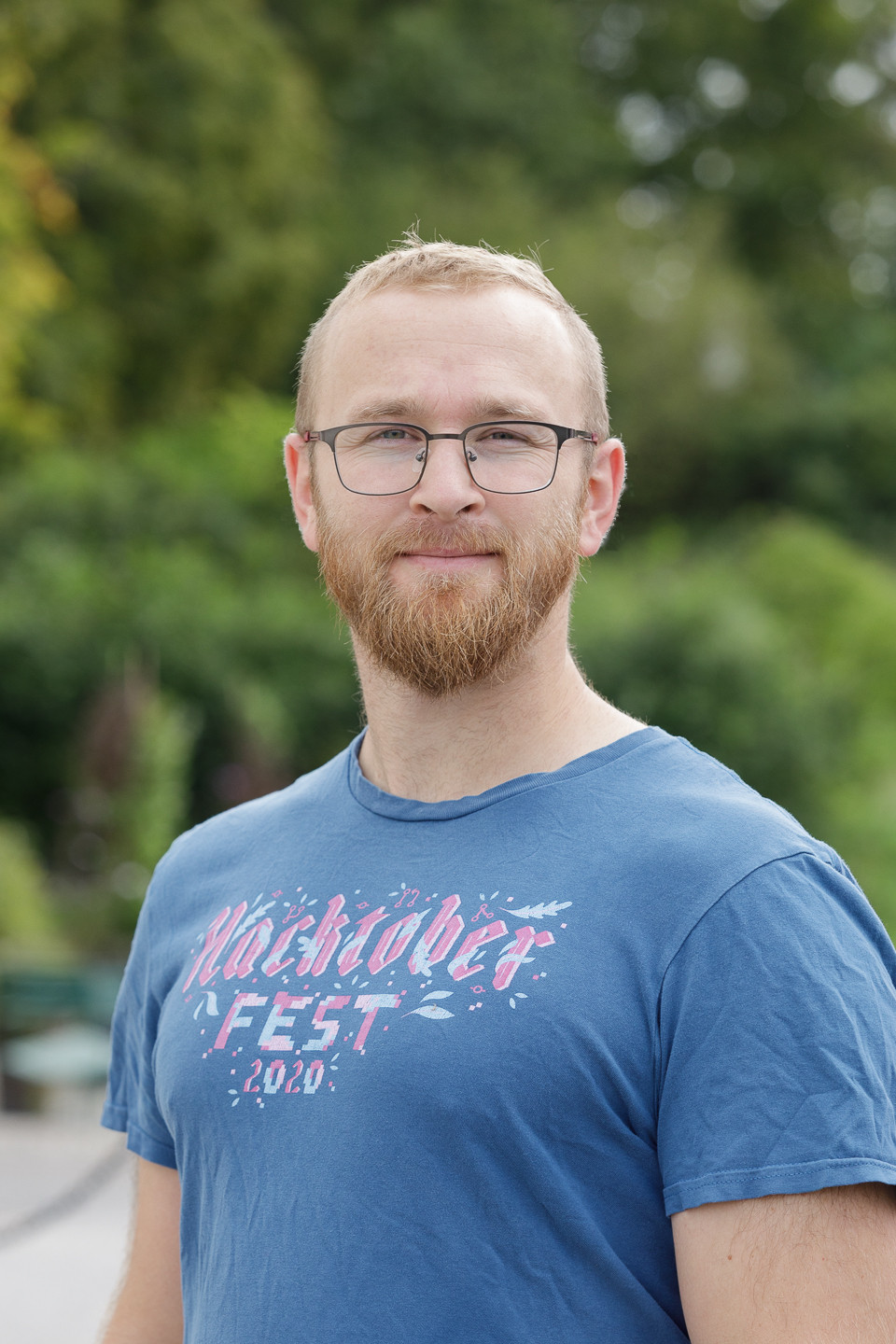
Callum is responsible for data flow, processing, and quality at the Voice of the Ocean Foundation (VOTO), Sweden. His work focuses on glider data standardisation, including the OceanGliders data format, common standards, and controlled vocabularies. He has contributed to community open-source tools for glider data processing and dissemination, including pyglider, glidertest, and erddapy. He has been active in the European and global glider community for over 8 years.
Pierre is a physical oceanographer at LOCEAN-IPSL, CNRS/UPMC, France, specialising in ocean currents, marine ecosystems, and global environmental change. He has led numerous sea expeditions, collecting and analysing oceanographic data. He is a pioneer in the use of underwater gliders for ocean observation. He contributes to research, publications, and doctoral supervision at CNRS.
OceanGliders Data Management Team (OGDMT)
The OGDMT coordinates data management activities, ensuring integrated and interoperable access to glider observations across the global network and within the broader GOOS data infrastructure.
The OGDMT defines data formats, quality control procedures, and best practices, and collaborates with OceanOPS to ensure FAIR data principles are applied consistently across the network. Data standards and formats are maintained at the OceanGliders Community GitHub.
Terms of Reference
Purpose
The OGST provides scientific leadership and oversight for the global OceanGliders network, a component of GOOS. It guides the development, coordination, and implementation of a sustained, global network of autonomous underwater gliders.
Responsibilities
Scientific coordination
- Define scope, vision, and scientific objectives of the OceanGliders network.
- Oversee a global-scale glider network for sustained EOV profiles in key regions, complementing other GOOS networks.
- Establish and periodically update sampling strategies, target regions, and performance metrics.
- Promote integration with other GOOS networks (Argo, OceanSITES, GO-SHIP, FVON, etc.).
Technical oversight, data quality, and best practices
- In collaboration with OGDMT, ensure accuracy, quality, and timeliness of OceanGliders data products.
- Provide guidance to and supervise the OceanGliders Technical Coordinator; define the TC Terms of Reference with the OCG.
- Review and advise on technological innovations and best practices.
- Promote harmonisation of methods, standards, and formats across international and regional programmes.
- Endorse best practices for glider operations, data management, and metadata documentation.
- Support adoption of FAIR data principles across the OceanGliders community.
Partnership and representation
- Represent OceanGliders within the GOOS OCG.
- Liaise with CLIVAR panels, regional alliances, and other international bodies.
- Promote visibility with the international community, stakeholders, and end-users.
- Support development of new sensor and platform technologies.
Capacity development and sustainability
- Identify needs and opportunities for training, knowledge exchange, and capacity building.
- Support national and regional efforts to secure sustained funding and institutional commitment.
- Develop and maintain a capacity-building strategy to enhance participation from underrepresented regions.
- Promote diversity, equity, and inclusion; ensure balanced representation across regions, career stages, and genders.
Composition
- Scientists and technical experts from national or regional programmes contributing to OceanGliders.
- The (co-)chairs of the OceanGliders Data Management Team (OGDMT).
- The (co-)chairs of any defined OceanGliders missions.
- The OceanGliders Technical Coordinator (ex officio, nonvoting).
Members serve 3-year terms, renewable. New and returning members apply through open calls. Membership rotations are staggered to ensure continuity. Chairs serve no more than two consecutive terms.
Executive Group
Coordinates OGST activities between plenary meetings. Comprises OGST Co-Chairs, OGDMT Co-Chairs, the OceanGliders Technical Coordinator (ex officio, nonvoting), and up to five OGST members selected for balanced regional representation.
Focus: administrative tasks including reporting, member selection, meeting scheduling, OCG liaison, and coordinating financial support.
Meetings and governance
- OGST meets every other month; Executive Group meets in the alternate months.
- Meetings are self-funded through national programmes and institutions.
- Decisions by simple majority; quorum is 50% of voting members.
- OGST reports to the GOOS OCG.
- ToR reviewed every 3 years, coincident with new terms of OGST Chairs, and submitted to OCG for endorsement.